What is ISO in photography? This is one of the most common questions beginners ask when learning how a camera works. ISO may sound technical, but it’s actually a simple concept once explained clearly. In short, ISO controls how sensitive your camera sensor is to light. ISO is part of international camera standards originally developed for film sensitivity, as explained by Wikipedia.
In this beginner-friendly guide, you’ll learn what ISO means, how it affects image quality, when to use low or high ISO, and how to avoid common mistakes. If you want sharper, cleaner photos with better exposure, understanding ISO is essential.

Table of Contents
What Is ISO in Photography and Why It Matters for Beginners

ISO in photography refers to your camera sensor’s sensitivity to light. A lower ISO makes the sensor less sensitive, while a higher ISO makes it more sensitive.
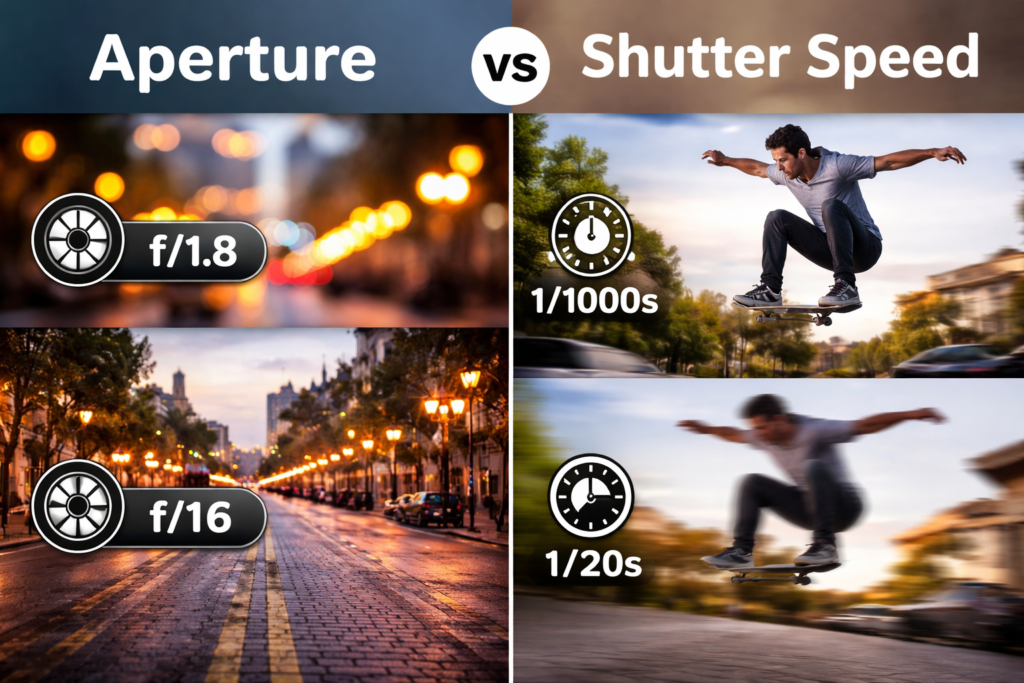
ISO is one part of the exposure triangle, along with:
- Aperture
- Shutter speed
Changing ISO helps you brighten or darken an image without changing aperture or shutter speed, but it comes with trade-offs.
Secondary keywords used naturally:
ISO photography explained, camera ISO settings, exposure triangle, photography basics, low ISO vs high ISO, image noise, beginner photography tips
How ISO Works (Step-by-Step)
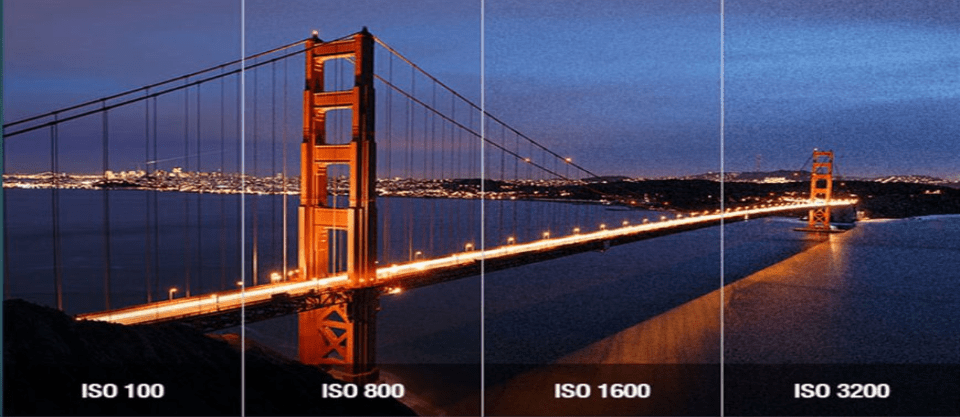
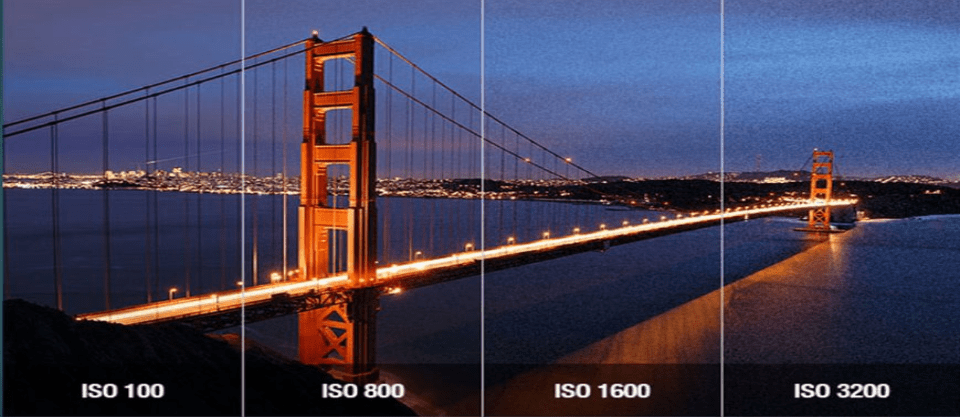
1. Low ISO (ISO 100–200)
- Best image quality
- Minimal noise (grain)
- Ideal for daylight and bright scenes
Use low ISO whenever possible.
2. Medium ISO (ISO 400–800
- Balanced exposure and quality
- Slight noise, usually acceptable
- Good for indoor photography
3. High ISO (ISO 1600+)
- Brighter images in low light
- Visible noise and loss of detail
- Useful when you can’t slow the shutter speed
High ISO is a tool, not a mistake — but it should be used intentionally.
Practical ISO Examples for Beginners
Outdoor Daylight Photography
- ISO: 100
- Result: Clean, sharp image
Indoor Natural Light
- ISO: 400–800
- Result: Proper exposure without motion blur
Low-Light or Night Photography
- ISO: 1600–3200
- Result: Brighter image with some grain

Video for YouTube
- ISO: As low as possible
- Result: Cleaner footage with less noise
These examples show why ISO must be adjusted based on lighting conditions.
Common ISO Mistakes Beginners Make
- Using high ISO in bright daylight
- Leaving ISO on Auto all the time
- Thinking noise means a “bad camera.”
- Raising ISO instead of adjusting lighting
- Fear of high ISO, even when needed
Understanding ISO helps you avoid these quality-killing mistakes.
Tips to Master ISO Faster
- Start every shoot at ISO 100
- Increase the ISO only when the light is insufficient
- Learn your camera’s noise limits
- Use noise reduction carefully
- Combine ISO with aperture and shutter speed
ISO control becomes intuitive with practice.
What does ISO stand for in photography?
ISO comes from film standards and now represents sensor light sensitivity in digital cameras.
Is a higher ISO bad?
No. High ISO is useful in low light, but it introduces noise. It’s about balance.
What ISO should beginners use?
ISO 100–400 for daylight, 800–1600 for indoor or low-light scenes.
Should I use Auto ISO?
Auto ISO is helpful for beginners, but manual ISO gives better creative control. Understanding what is ISO in photography helps beginners control exposure without sacrificing image quality.
Conclusion
Understanding what is ISO in photography gives you more control over exposure and image quality. ISO isn’t something to fear — it’s a powerful tool when used correctly.
Start with a low ISO, increase it only when needed, and practice in different lighting conditions. Over time, ISO will become second nature in your photography workflow.
Understanding what is ISO in photography takes time and practice, but it quickly becomes intuitive once you start shooting in different lighting conditions. Don’t be afraid to experiment with ISO while reviewing your photos on a larger screen to see how noise and exposure change. The more you practice controlling ISO alongside aperture and shutter speed, the more confident and creative you’ll become as a photographer.
At Pixanded, we believe mastering the basics is the fastest path to professional results.